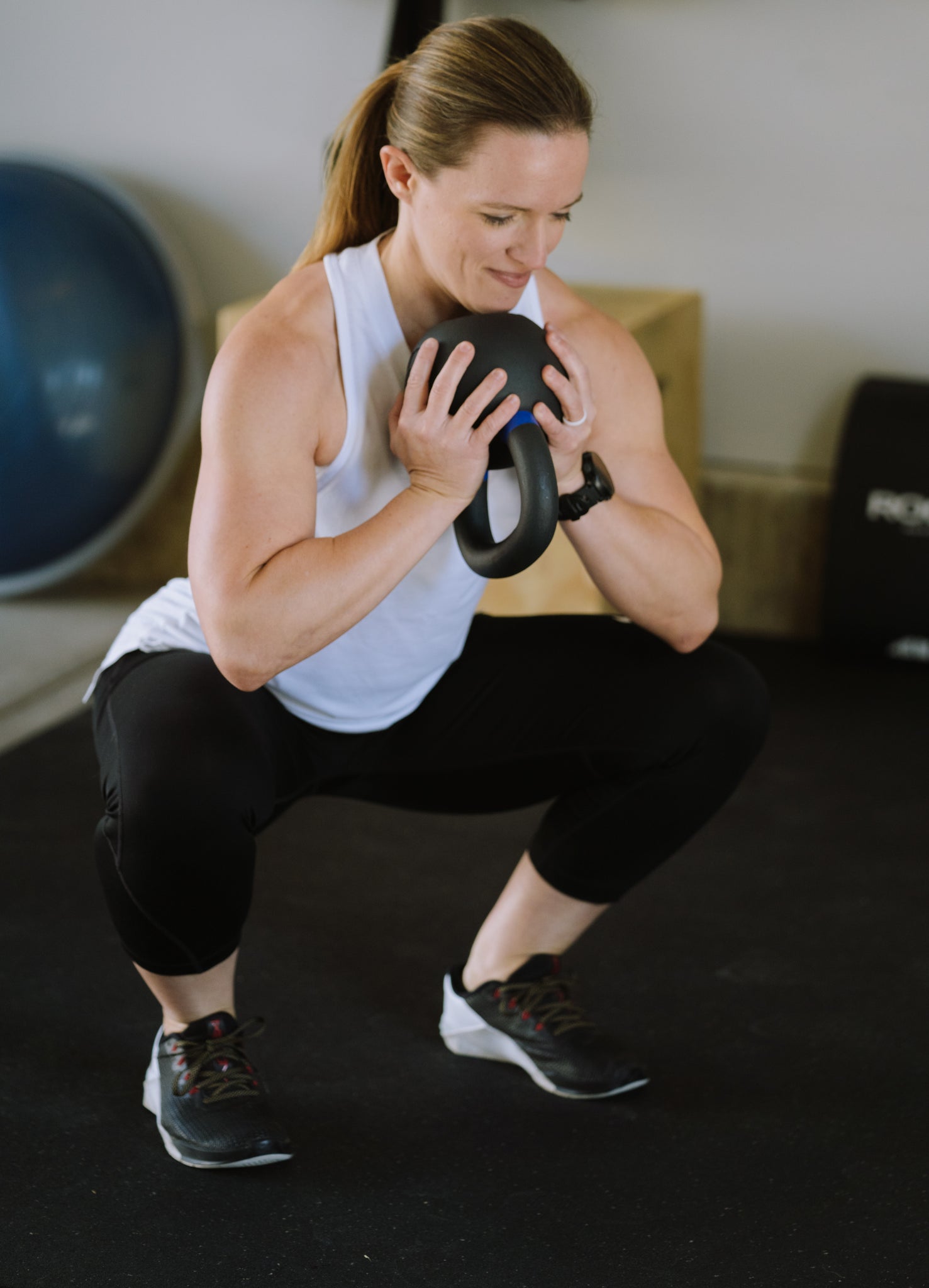
If you’re an endurance athlete of any kind, strength training can be incredibly beneficial. It can improve your balance, stability, strength, power, and resilience to injury. In the process, it can also improve your posture and proprioception (knowing where your body is in relation to space). With a stronger body, you can be less prone to injury, can be more efficient in your sport, and you can tolerate greater demands being placed on your body through your sport.
However, all too often, strength training workouts on social media are complex and can be intimidating, especially if you are not used to strength training to begin with. This overwhelm can lead to frustration, causing you to avoid strength training altogether.
Let’s change this.
Three simple steps to keep from being a sloth over the next couple of weeks!
While the general population resigns themselves to losing fitness and gaining weight during the holiday season, there’s no reason those of us who value physical performance can’t employ a bit of creativity to continue the quest for improvement despite family commitments, travel, and everything else that goes with the holidays.
Starting to plan your offseason training? Or maybe you're thinking about adding strength training throughout the year to increase power and reduce the risk of injury. Either way, endurance athletes need to focus on the basics to get the most benefit from their workouts.
The final segment of Dee Tidwell's Cycling Training Overview is here!
Dee ties everything together and discusses balancing cardiovascular training with strength/gym work through the season.
Managing intensity and volume is key to having your best season ever and preventing burnout. Your highest volume training periods typically shouldn't contain an overabundance of high intensity work, and, conversely, periods with the most high intensity work should typically be lower in volume.
As mentioned with each part in this series, if building your own training program is more than you want to undertake, or you just want to make sure you have a well-designed, comprehensive plan to best reach your objectives, you can work with Dee himself at traintoride.com.
Dee is back with Cycling Training, Part 2: Gym Periodization.
Off-bike training is important for everyone who wants to maximize cycling performance and minimize the potential for injury (as well as improve how quickly you can bounce back from injuries that do occur), but it is crucial for masters-level cyclists.
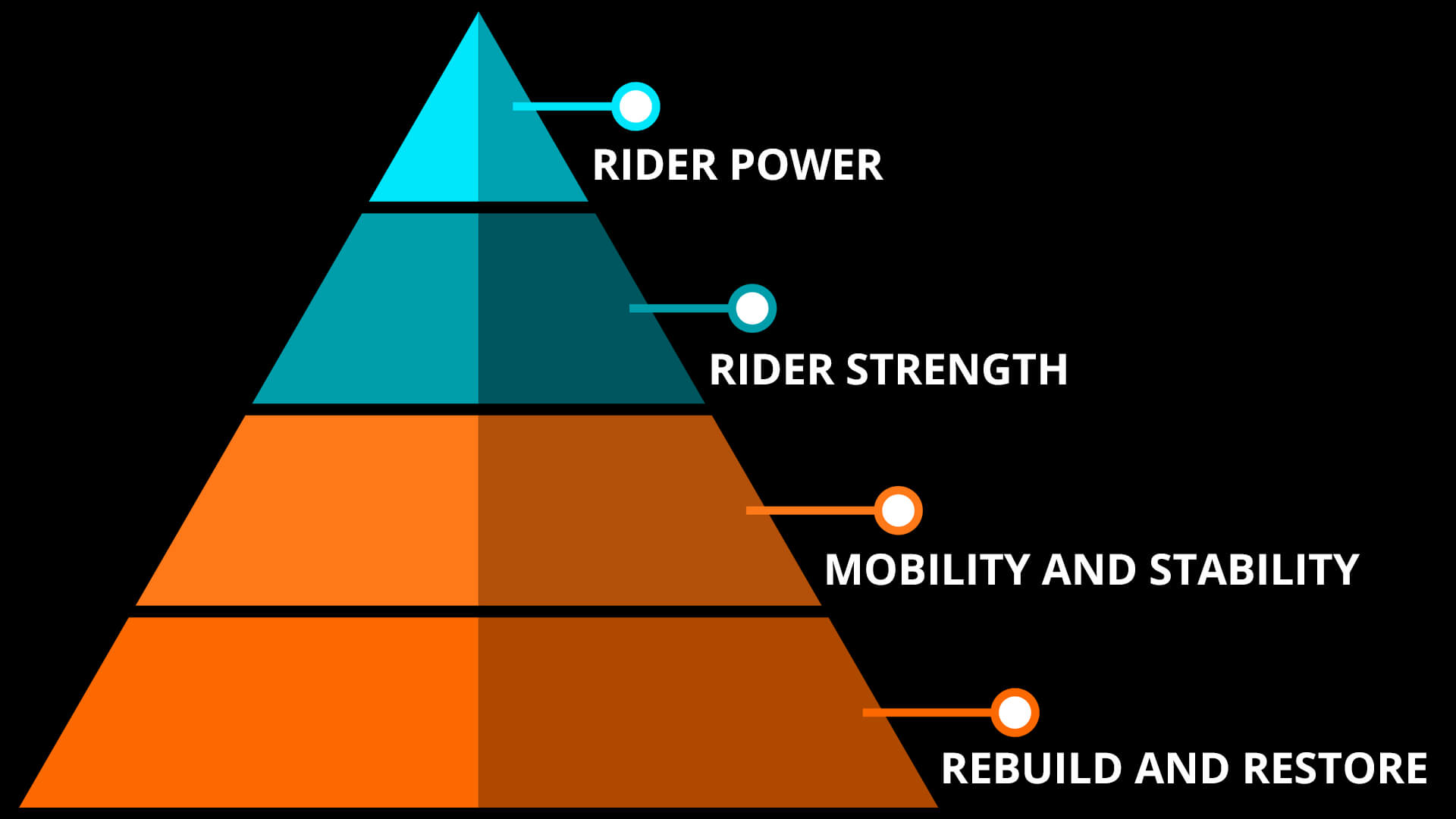
Learn why gym work is so valuable and see where to incorporate it in the performance pyramid to create training balance throughout the season.