Researchers at the Department of Human Physiology, University of Oregon have shown that training in hot conditions improves aerobic capacity — even when subsequently performing at a cooler temperature.
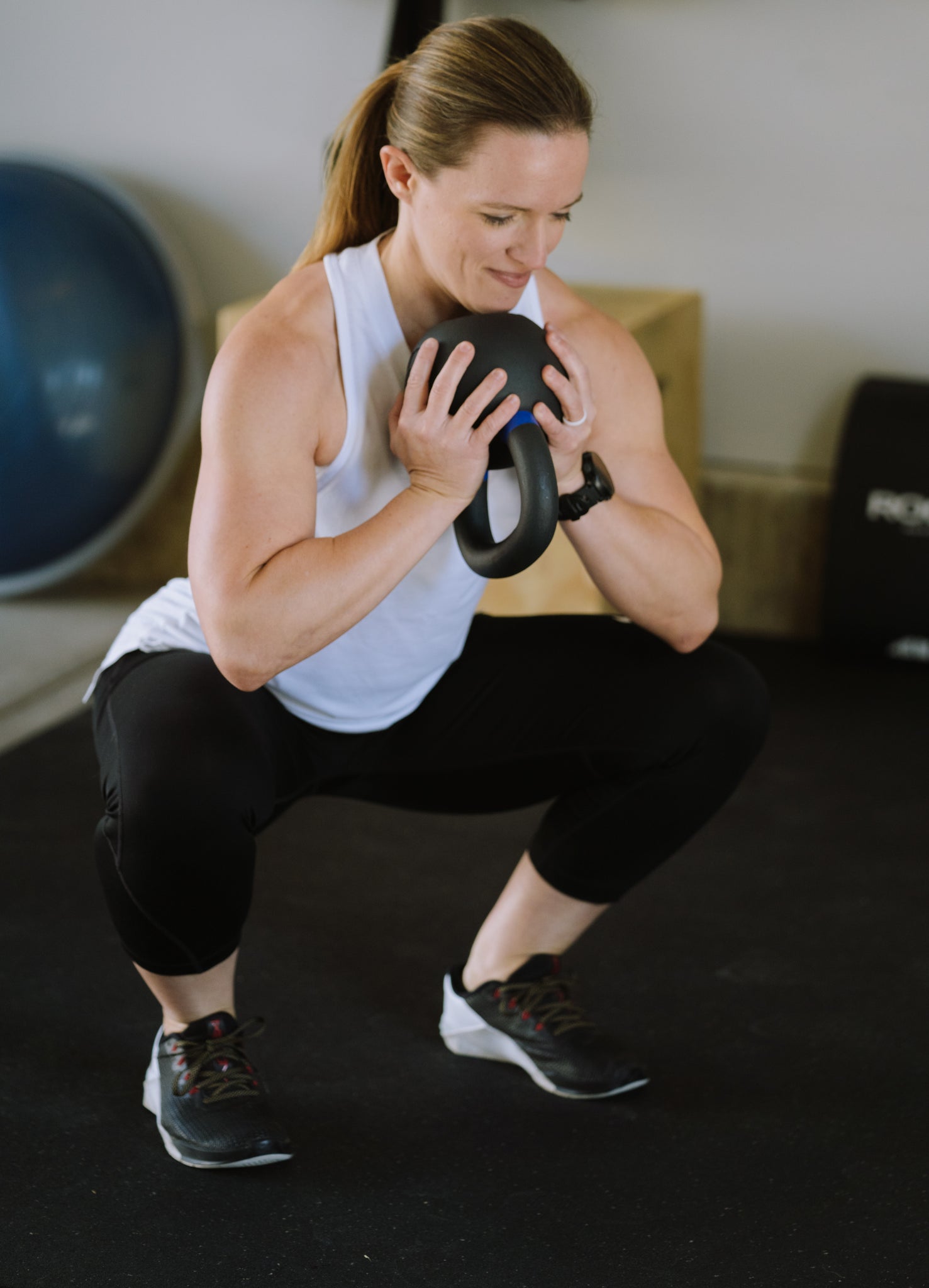
If you’re an endurance athlete of any kind, strength training can be incredibly beneficial. It can improve your balance, stability, strength, power, and resilience to injury. In the process, it can also improve your posture and proprioception (knowing where your body is in relation to space). With a stronger body, you can be less prone to injury, can be more efficient in your sport, and you can tolerate greater demands being placed on your body through your sport.
However, all too often, strength training workouts on social media are complex and can be intimidating, especially if you are not used to strength training to begin with. This overwhelm can lead to frustration, causing you to avoid strength training altogether.
Let’s change this.
Three simple steps to keep from being a sloth over the next couple of weeks!
While the general population resigns themselves to losing fitness and gaining weight during the holiday season, there’s no reason those of us who value physical performance can’t employ a bit of creativity to continue the quest for improvement despite family commitments, travel, and everything else that goes with the holidays.
With offseason still here for most of us and event schedules in the state of flux due to pandemic restrictions, Coach Matheny gives valuable tips on how to best approach your training.
Whether preparing for mountain biking, road racing, or triathlon, these recommendations will help you maintain training flexibility when you're not sure when your next event will happen.
Enduro Bites Ambassador Jen Kates explains how to ease back into training without risking injury after taking time off due to the gyms being closed because of COVID-19, injury, illness, or any other reason. Check out her advice on how to get back to strength training... safely and successfully.