Winter training demands smarter recovery. Learn how to optimize rest, nutrition, and recovery strategies for off-season strength training, indoor cycling, and winter endurance sports.
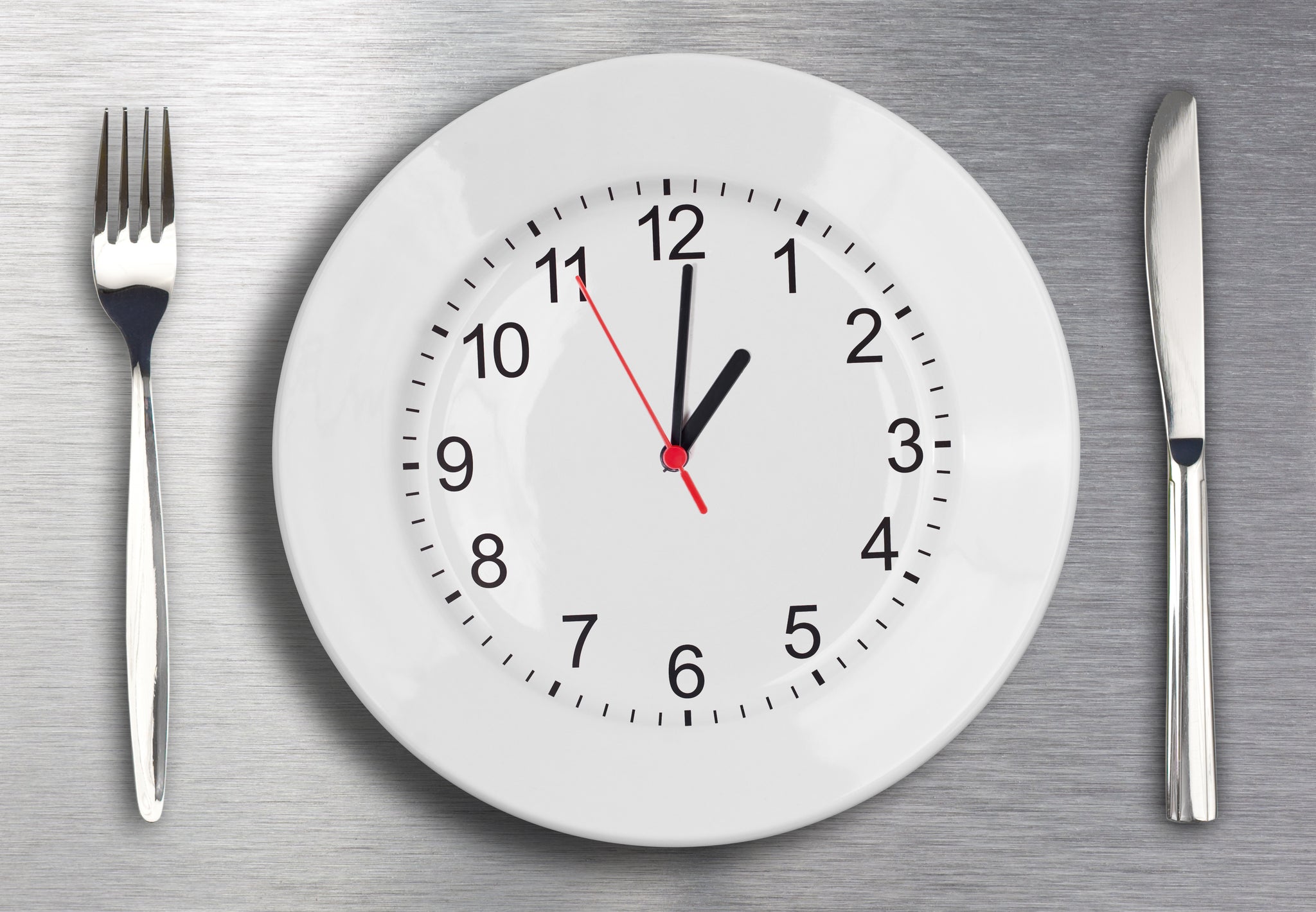
I can recall hearing about fasting almost as far back as I can remember, but until recently I was skeptical there was a place for it amongst endurance athletes. You see, I was always that type who would wake up ravenous. If I didn't eat within 30 minutes of getting out of bed my thoughts would be solely focussed on finding food as quickly as possible. I would also experience a similar scenario if I went more than a few hours during the day since my previous meal. For someone who loves food, this was great from the standpoint that I'd get to eat again, but also made me feel like a slave to eating. "Hangry" was an all-to-common state for me.
Given your entire race / event season could be up in the air, you may find yourself riding, running, or training less than you normally would, which could lead you to wonder if you should make any changes to your food intake.
The short answer is: it depends.
There are a couple of things to consider when answering this question, and not all of them are based specifically on your fitness or training endeavors.
Once thought “unhealthy,” due to its highly-processed cousins, virgin coconut oil is now viewed as one of nature’s best fats by many nutritionists. It's also one of the key ingredients in Enduro Bites.